Another year, another early start to frost season. Many almond orchards began seeing a risk of frost starting in the beginning of February. Vineyards weren’t far behind with the first frost forecasts starting around February 17.
The beginning of spring is the busiest season for meteorologists at Western Weather Group and is a period of significant worry for growers and vintners alike. While a light frost might just nip the edges of some leaves, a hard freeze (temperatures below 28°F) can be catastrophic.
The risks
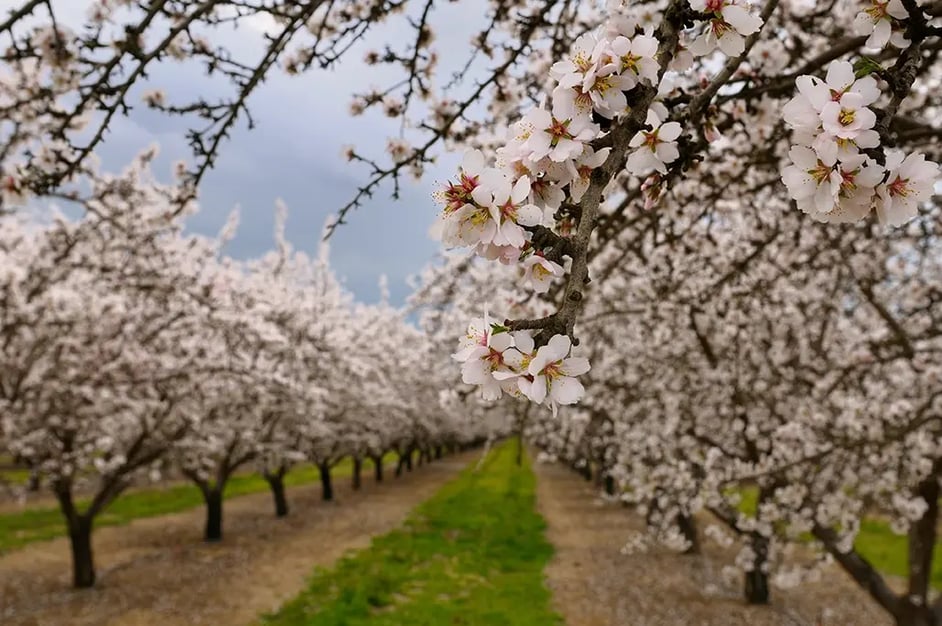
For almond growers, timing is everything. This year's early frost coincided with the tail end of the bloom in some regions. Once the nut begins to form, the crop is incredibly vulnerable to the low temperatures that can occur in Northern California. This period can also be a double-edged sword of risk, which is what we saw in the Sacramento Valley: warmer than average temperatures caused almond trees to begin bloom only to be followed by a more active weather pattern heading into April.
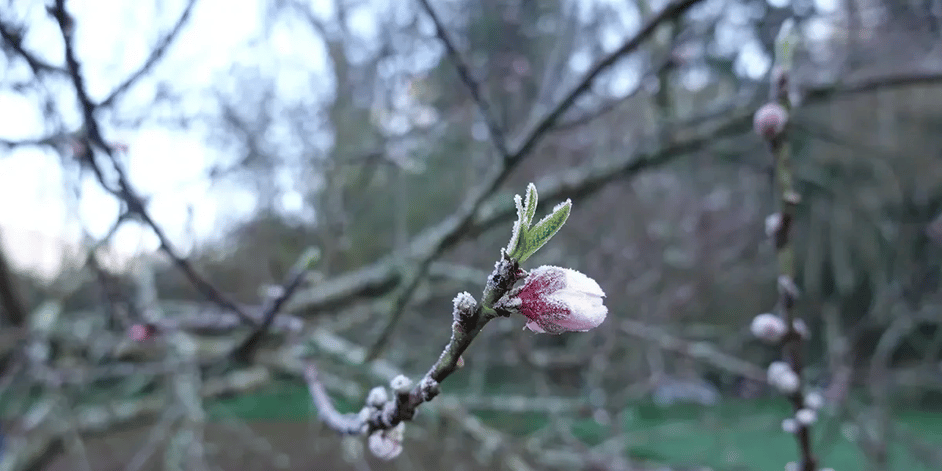
In wine country, the danger is all about the "bud break." As vines push out their first tender green shoots, they are composed mostly of water and are highly susceptible to frost. A hard frost at this stage can destroy the primary buds, weakening yields and lowering fruit quality.
Microclimatology and its risks
Frost can occur at a microscale and given California’s complex geography of valleys and coastlines, complex weather phenomena usually follow.
At WWG when we forecast frost, we understand it’s not just about getting the exact temperature right; it’s also about timing and duration. In a hard freeze, prolonged cold does the damage. Once temperatures are cold for an extended period, no crop in its path are spared, regardless of how cold it gets.
Our expertise in frost dynamics and micro-scale meteorology allows us to identify environments with inherent vulnerabilities. Areas like floodplains, basins, and ravines allow colder air to pool up and are considered “frost pockets.” Topography isn’t the only factor as well. Phenomena can occur due to geographical factors such as rain-shadowing, wind blockage; even factors like nearby irrigation can generate weather such as fog. All of this is taken into consideration for deploying a frost station when the forecast goes out.
Utilizing asset-level data sensors also allows us to see in real time what is happening in microscales. Having threshold-triggered alarms along with forecasting allows our clients to react before frost has time to set in.
The 2026 season has proven that tools for crop resilience are a necessity for the ever-changing climate. It has also shown that relying on regional forecasts for high-value crops like almonds and grapes is a gamble most cannot afford to take.
Rising temperatures and shifting trends
Long-term forecasting has allowed us to investigate climate research and current climate trends that could affect agricultural meteorology. From our work, we have seen several trends that point toward a future defined by several key challenges for industries like almond farming.
Health vulnerability
Historical and statistical data show increasing max temperatures across the state, which favor meteorological hurdles like heat waves and warmer starts to spring. Increased heat waves drive up irrigation costs and invite pest pressure from insects like orange worms. This trend also highlights long-term risk for early bloom and a potential shift for prime frost season.
Decreasing winter chill
While some crops remain safe for now, annual chilling hours are trending downward. Current research suggests that by the end of the 21st century, the traditional "frost season" will feature fewer freezing opportunities.
Precipitation extremes
Increasing variability means more intense droughts and stormy seasons. Long dry spells can trigger premature blooms, while excessive wetness can prevent bees from pollinating effectively.
Forecasting for the Future
The future of California farming will likely involve significant adaptations, ranging from new farming practices to a geographic shift in where crops are grown. As meteorologists, our role is evolving beyond simple daily forecasts. By refining our understanding of extreme events like atmospheric rivers and heat waves, and improving our climatology skills, we can provide farmers with the specific, actionable data they need to protect their yields.
California's frost challenges don't exist in a vacuum
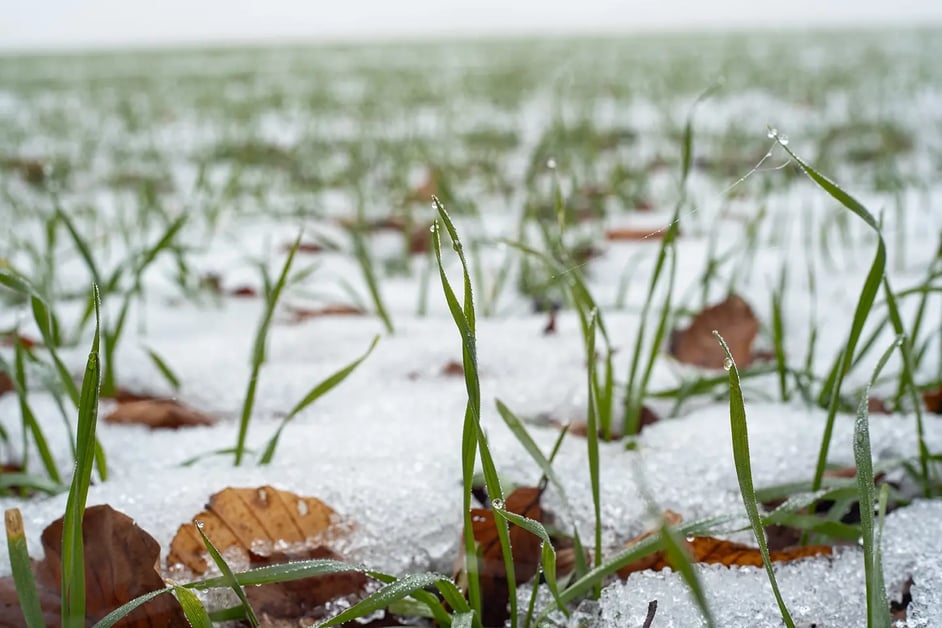
This spring, the East Coast faced its own round of damaging freezes: hard frosts catching vineyards in Virginia's Shenandoah Valley and New York's Finger Lakes mid-bud break. Apple and berry orchards across the Mid-Atlantic were sent reeling from the same warm-then-cold whiplash that hit the Sacramento Valley. The geography differs, but the story is the same: erratic, climate-driven swings are outpacing the tools most growers rely on. What California's almond and wine industries are experiencing today is an increasingly national pattern. In Part 2 of this series, we'll take that story east.