Agricultural weather stations and data for farms, vineyards, orchards and more

Protect your harvest with field-level intelligence you can trust

We provide the industrial-grade agricultural weather stations and site-specific forecasts you need to make defensible decisions on frost, irrigation, and spray timing.

When microclimates matter, precision makes the difference

Small microclimates create huge variations in temperature, humidity, and wind conditions across your fields. Generic regional forecasts can't capture these critical differences.


WWG provides hyperlocal monitoring systems that help you make informed decisions about frost protection, irrigation scheduling, disease management, and harvest timing, protecting your investment and maximizing quality.

Your agricultural challenges, solved

Western Weather Group delivers field-level weather intelligence that helps growers act with confidence. Real-time temperature monitoring supports rapid frost response, ETo and soil moisture data improve irrigation efficiency, and humidity and leaf-wetness tracking inform disease management. Accurate weather windows guide spray timing and harvest decisions, while long-term, audit-ready data supports crop insurance claims and compliance reporting.

Talk with an AG expert

WWG solution: Real-time temperature monitoring with customizable alerts for frost mitigation timing, plus forecasting tools to help you prepare wind machines, sprinklers, and frost protection strategies.

Field-level ETo, soil moisture, and weather intelligence that help growers determine when and how much to irrigate to improve water efficiency while supporting regulatory compliance.

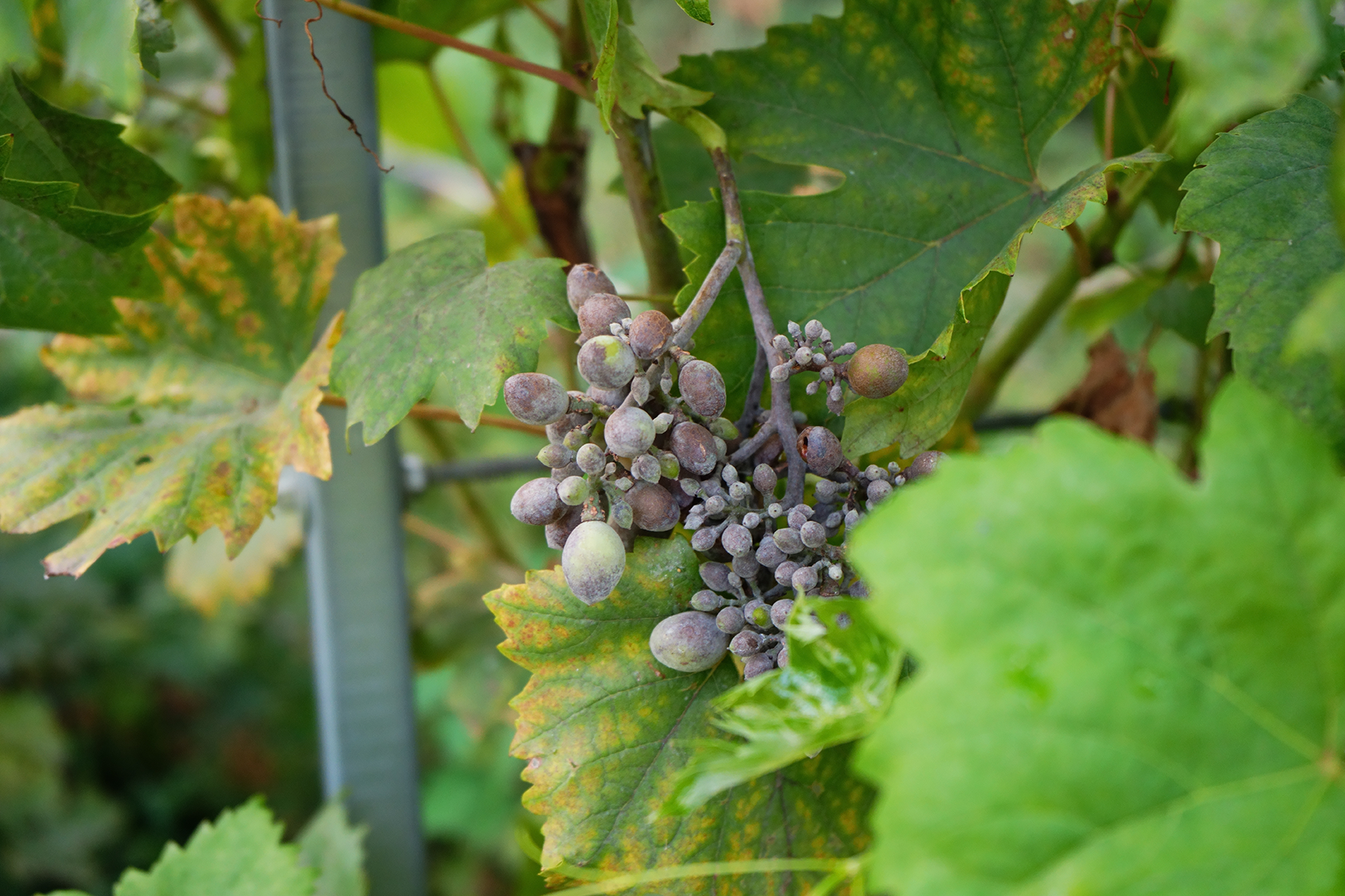
WWG solution: Leaf wetness sensors combined with humidity and temperature monitoring to track disease risk and optimize fungicide application timing.

WWG solution: Harvest window forecasting and spray timing alerts that help you schedule crews efficiently and apply treatments during optimal weather conditions.

WWG solution: Audit-ready weather records with timestamped data for crop insurance documentation, freeze event verification, and loss claim support.

How agriculture uses weather data to make better decisions


Precision weather intelligence supports every role responsible for yield, quality, and compliance. See how each team puts hyperlocal data to work in the field.

Harvest window confidence

Identify stable weather windows for harvest that protect quality, reduce loss, and improve labor efficiency, especially critical for high-value specialty crops.


Block-level visibility

Capture conditions where decisions are actually made, not averaged across a region, so one bad microclimate doesn’t dictate decisions for an entire vineyard or orchard.


Outcome

More consistent yields, higher quality crops, and fewer surprises during critical growth stages.

Better crop decisions

Growing teams are responsible for protecting yield and quality across fields, blocks, and varieties, often within the same operation. WWG delivers asset-level weather intelligence that helps growers act at the right moment, not after damage is done.


Frost and heat risk anticipation

Detect cold air drainage and inversion layers at the block level; critical for frost-sensitive crops like vineyards, orchards, almond, citrus and berry operations. Gain the lead time needed to deploy frost protection, adjust harvest timing, or protect vulnerable varieties before damage occurs.


Disease and growth modeling

Use growing degree days, humidity, and leaf-wetness data to understand crop development and disease pressure, supporting smarter spray decisions and healthier crops.

Field-ready Hardware

Industrial-grade agricultural weather stations built to endure.

Modular stations you can upgrade and maintain in the field, fully configurable for any application.

  • Connectivity

    Cellular, satellite, and Wi-Fi connectivity ensures continuous data transmission.

  • Reliable sensors

    Precision sensors monitor all atmospheric variables with utility-grade accuracy.

  • 24/7 operation

    Solar-powered with backup battery ensures 24/7 operation in any environment.

  • Durability

    Industrial-grade housing withstands extreme conditions and harsh environments.

  • Made in the USA

    Designed, assembled, and tested in the U.S. with full hardware warranty.
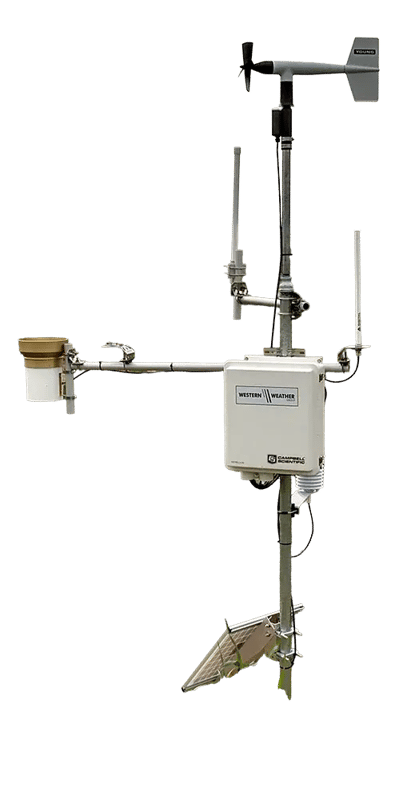
industrial-grade weather station

Professional weather station installation


Accurate weather data starts with proper installation. Siting, sensor exposure, mounting height, power, and communications all impact long term performance, especially in harsh or remote environments.


Each installation begins with site review and planning, then follows a standardized, field-tested process. Most stations are installed and commissioned in a single visit, delivering reliable data immediately.


Choose full-service installation, maintenance, and calibration by our experienced installers, or have us train a designated team member to handle installation and upkeep internally. Both options are built to scale, protecting data quality as your network expands.

Transform weather from an unpredictable risk into a managed asset

With station networks, tailored models, and alerting systems, growers can maximize production, optimize spraying and irrigation, and protect against frost or heat failure.

The result is higher yields, better quality, and greater resilience in the face of volatile weather, all backed by data that regulators, buyers, and insurers trust.

Robust data you can trust in the field.

Integrate real-time and historical weather data into daily agricultural operations. Leverage high-quality observations and forecasts to guide frost protection, irrigation, spray timing, and harvest decisions.

WWG’s platform provides a trusted, defensible data foundation for modern agriculture, built for high-risk growing conditions and increasing regulatory scrutiny.

See conditions across your operation at a glance: from individual blocks to entire regions. Interactive maps and station views surface temperature, wind, humidity, and precipitation where crops actually grow.

  • Monitor microclimates across vineyards, orchards, and fields
  • Compare conditions between valley floors, foothills, and slopes
  • Identify problem areas before they impact yield

Configure frost, heat, wind, or precipitation alerts based on your thresholds. Alerts are delivered by text, email, or call so teams can act immediately, even overnight.

  • Frost alarms tied to inversion and temperature thresholds

  • Wind and humidity alerts for spray decisions

  • Custom notification rules by block, station, or crop sensitivity

  • You don’t have to watch dashboards, the platform tells you when conditions matter

Access localized forecasts written by meteorologists who understand agricultural risk. Forecasts are tailored to frost, heat, and precipitation impacts.

  • Frost discussions with inversion strength and confidence

  • Minimum temperature outlooks by location

  • Short-term and multi-day outlooks tied to operational decisions

Analyze past conditions to understand patterns, validate decisions, and support reporting needs. Historical data is stored long-term and always accessible.

  • Review inversion behavior during frost events

  • Compare current conditions to past seasons

  • Export data for audits, insurance claims, or internal reporting

From maps and graphs to alarms and reports, everything lives in one secure platform, accessible on desktop or mobile, in the field or at the office.

  • Simple navigation for non-technical users

  • No juggling spreadsheets, emails, and third-party tools

  • Built to scale from a few stations to regional networks

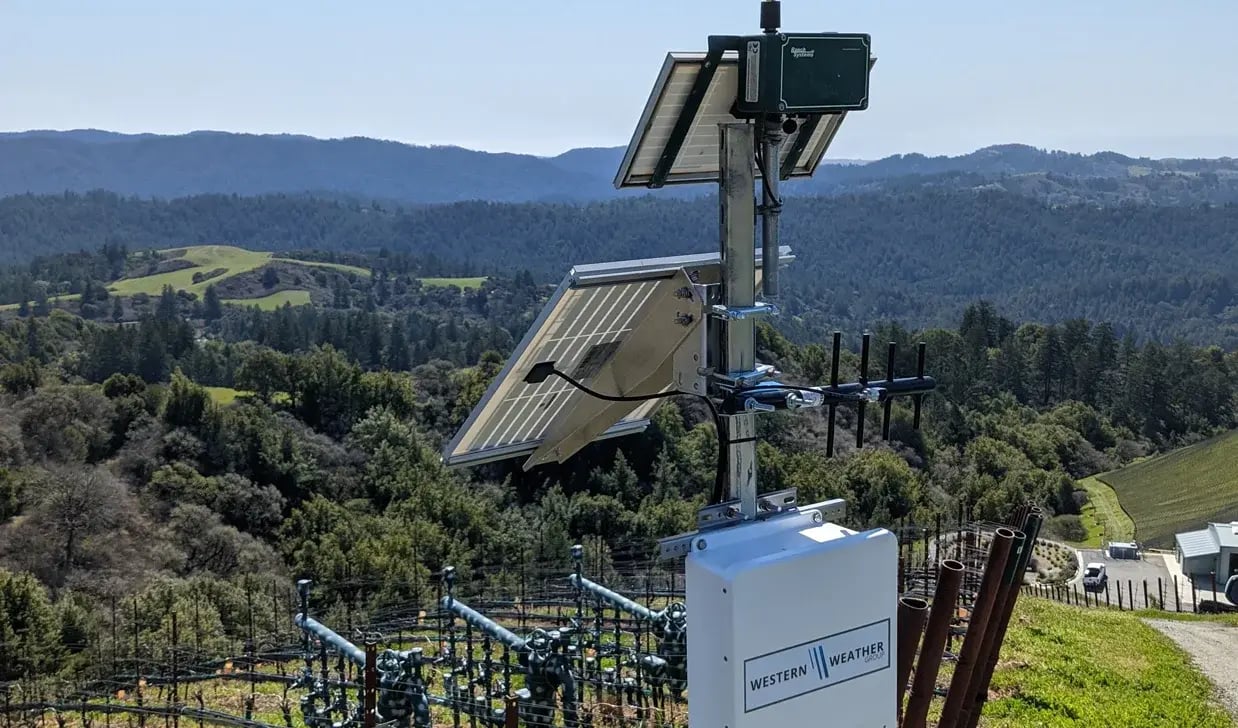
View from behind a weather station looking out onto the crop and landscape below, high on a mountainside.
Specialized forecasts for the work you do

Agriculture

  • Frost and heat stress

  • Growing degree days

  • Evapotranspiration

  • Spray and harvest conditions

  • Powdery mildew forecasts

FAQ

Loading FAQs...

Agriculture Resources

How is Powdery Mildew Affecting Your Crop?
Blog Post

How is Powdery Mildew Affecting Your Crop?

Understand how powdery mildew affects California crops, particularly winegrapes, and discover effective management strategies using real-time weather data.
What the Rest of 2026 Holds for Severe Weather in the U.S.
Blog Post

What the Rest of 2026 Holds for Severe Weather in the U.S.

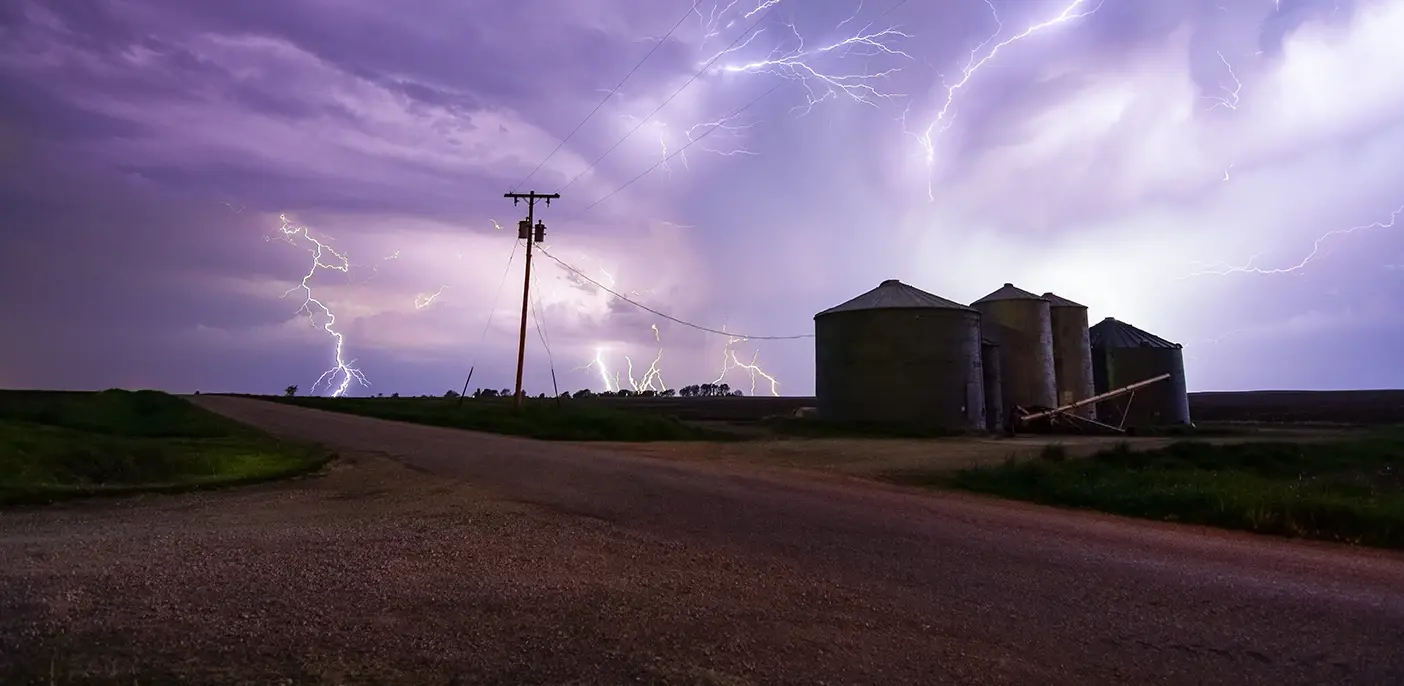
Explore the severe weather outlook for the US in 2026, covering tornadoes, hurricanes, and fire risks as conditions evolve throughout the year.
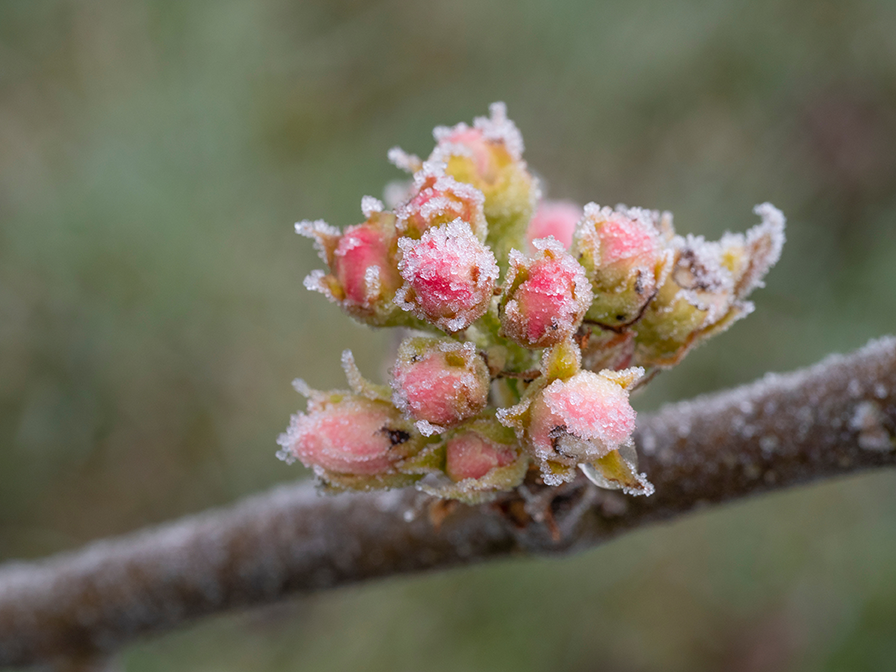
What the 2026 Spring Freeze Taught Eastern Growers About Frost Risk
Blog Post

What the 2026 Spring Freeze Taught Eastern Growers About Frost Risk

Record temperature swings damaged apple orchards, wine grapes, blueberries, and citrus across the eastern U.S. this season. Here's how asset-level weather data changes the outcome next time.