Season after season, WWG renews the training that keeps its meteorologists and technical teams ready to support utility Public Safety Power Shutoff decisions with reliable weather intelligence.
The 2026 wildfire season is already testing the limits of "typical." Fires are burning across Arizona, Utah, Colorado, and New Mexico. Lightning has sparked dozens of new fires in the Upper Midwest, some of them crossing into Canada. And smoke from blazes hundreds of miles away is triggering air quality alerts in cities that rarely think about wildfire risk at all. As fire weather shows up in places utilities don't normally plan for, the tools they lean on to manage that risk matter more than ever.
PSPS decisions depend on reliable weather data
Public Safety Power Shutoffs (PSPS) are one of the many tools that utilities use to help reduce wildfire risk during periods of extreme weather. When conditions such as strong winds, low humidity, high temperatures, and exceptionally dry fuels (vegetation) combine, wildfire potential can increase significantly. Under these circumstances, utilities may temporarily de-energize portions of the electrical grid to help reduce the chance for utility infrastructure to contribute to wildfire ignitions.
These decisions are complex and time-sensitive. They depend on accurate weather observations, dependable forecasting, well-maintained weather station networks, and clear communication between utilities and their operational partners.
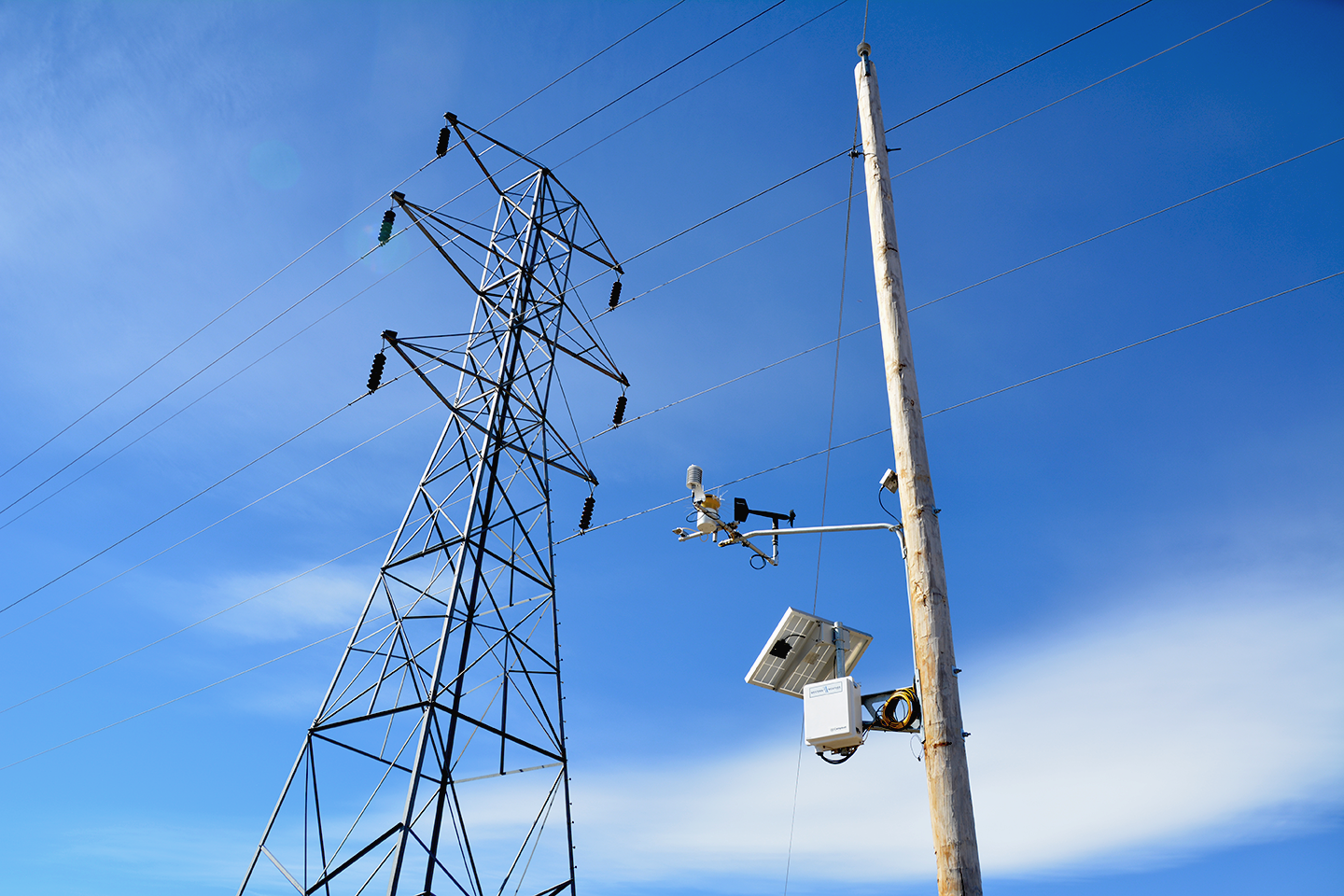
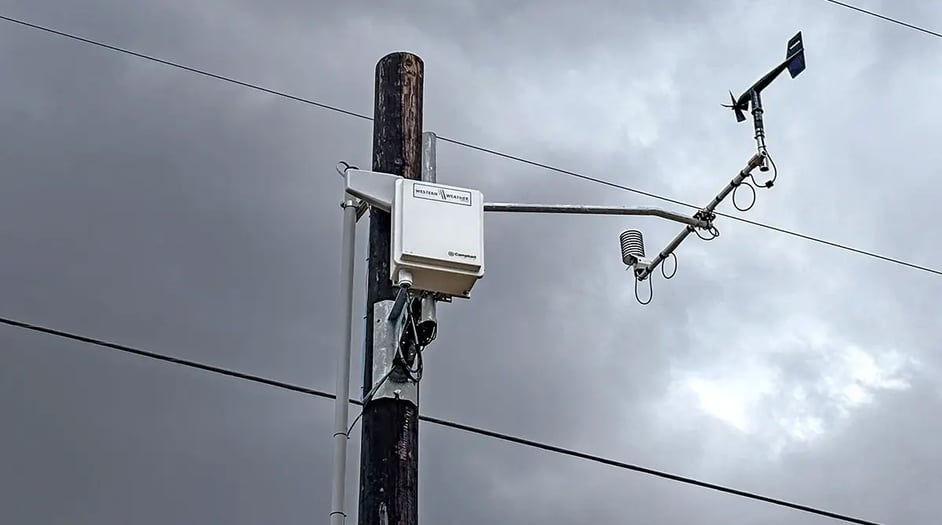
At Western Weather Group (WWG), our role is to provide weather intelligence, reliable environmental data, operational awareness, and responsive support throughout a PSPS event. While utilities ultimately make operational decisions, our team works behind the scenes to help ensure they have access to accurate weather data, healthy weather station networks, asset-level environmental monitoring, and timely meteorological guidance when conditions rapidly evolve.
By delivering trustworthy weather intelligence and maintaining confidence in the observations utilities depend on, WWG helps support informed operational decisions during critical wildfire conditions.
What PSPS training adds across WWG
Support for utilities during today’s increasingly complex wildfire seasons requires more than understanding weather or even producing an accurate forecast. It means understanding how weather data is collected, delivered, monitored, and used throughout an active PSPS event.
WWG's PSPS training reinforces our team’s ability to support utilities throughout every stage of a PSPS event and provides a deeper understanding of how weather observations influence operational awareness, including how to respond when critical weather stations or communication systems require attention. Training also focuses on maintaining the reliability of the weather data utilities depend on, ensuring that weather information remains constant, reliable, and actionable during rapidly changing wildfire conditions. This includes:
- Monitoring station health
- Verifying communications
- Identifying data interruptions
- Understanding real-time observation systems
- Following structured troubleshooting procedures to quickly identify potential issues.
Equally important, the training emphasizes communication. During a PSPS event, coordination across forecasting, technical support, operations, development, and utility partners becomes essential. This collaborative approach helps ensure utility partners receive timely updates, responsive support, and actionable weather intelligence before and during PSPS events such as evolving wildfire conditions.
WWG follows established procedures for monitoring events, documenting station health, communicating updates, and escalating issues when additional support is needed. For our utility partners, this translates into greater confidence that the weather intelligence supporting critical operational decisions is timely, reliable, and backed by a team prepared for every stage of a PSPS event.
Five principles behind WWG's PSPS training
At its core, WWG's PSPS training is built around five guiding principles that help ensure dependable utility support during critical wildfire events:
- Event readiness: Prepping WWG’s people, systems, and weather station networks before an event begins.
- Weather and Operational Awareness: Continuously monitoring station conditions.
- Technology and Data Reliability: Maintaining dependable weather observations, communication systems, and data availability.
- Communication and Coordination: Working seamlessly across WWG teams while maintaining clear communications with utility partners before and during the event.
- Support (Troubleshooting and Escalation): Responding quickly to issues and keeping critical weather information flowing throughout an event.
Our commitment to utility partners
Wildfire preparedness is built on reliable information and trusted partnerships. At WWG, we believe supporting utilities means more than delivering a forecast. It means helping ensure the weather data behind every operational decision is accurate, accessible, and dependable.
Through continued PSPS training, investment in our technology, and collaboration across forecasting, technical support, and operations teams, WWG continues to strengthen the partnership we provide utilities during critical wildfire conditions. From asset-level weather monitoring and real-time station health oversight to responsive operational support and timely communication, our focus remains the same: delivering reliable weather information that helps utilities make informed decisions with confidence.
As wildfire seasons continue to evolve, WWG remains committed to helping utilities navigate uncertainty with dependable weather intelligence, responsive support, and trusted partnerships that help protect the communities we serve.
Want to see how this training translates into practice during an active event? Reach out to our team to learn more about WWG’s Forecast Desk and PSPS support.