wwg-logo

Industrial-grade weather stations for reliable environmental monitoring

Battle-tested durability

Mission-critical reliability


Industrial-grade private weather networks and decision-ready forecasts that provide the clarity to operate safely and confidently.


systems-sensors

Precision you can prove

Calibrated, traceable data meets EPA and utility-grade standards.

gear

Flexible by design

Sensors configured to your risks and environment for pinpoint accuracy.

integration

Integration ready

APIs connectivity for seamless workflow integration.

connected-anywhere

Connected anywhere

Cellular or satellite options ensure no data gaps.

PRIVATE WEATHER NETWORK

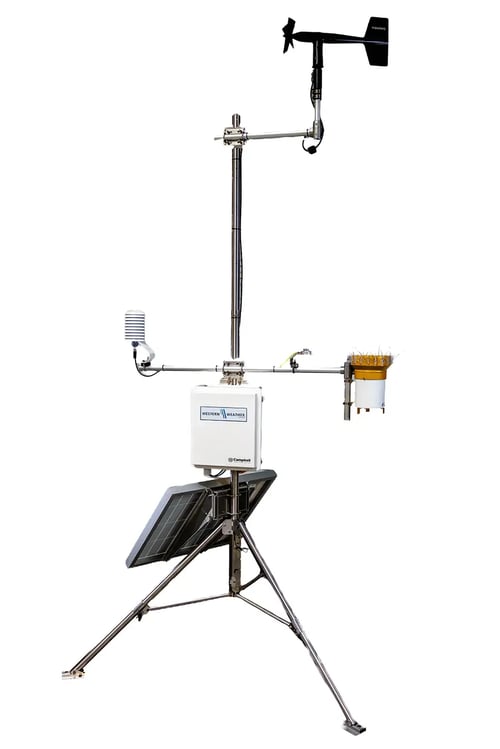
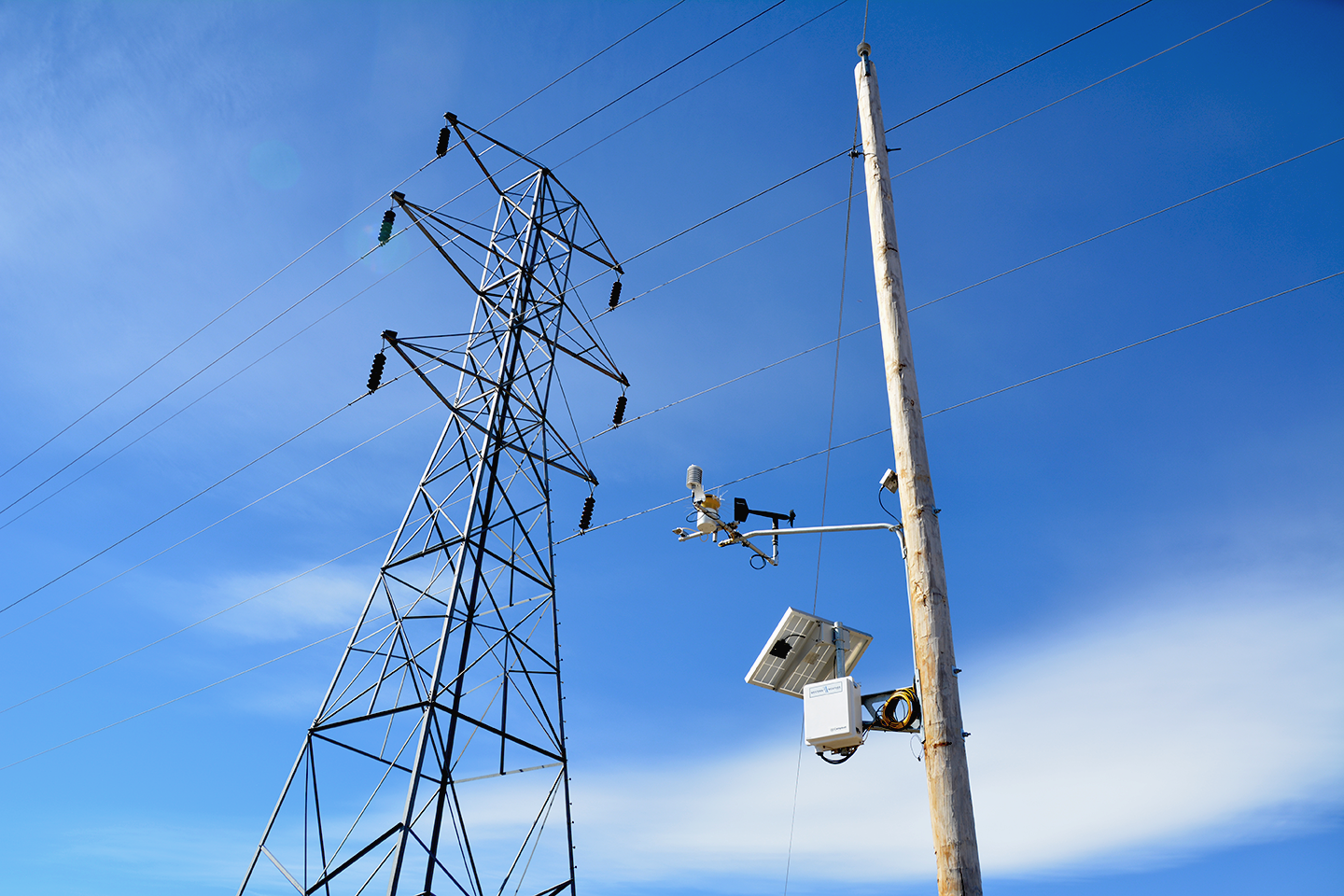
Commercial-grade weather stations built to endure.

Modular stations you can upgrade and maintain in the field, fully configurable for any application.

  • Connectivity

    Cellular and satellite connectivity ensures continuous data transmission.

  • Reliable Sensors

    Precision sensors monitor all atmospheric variables with utility-grade accuracy.

  • 24/7 Operation

    Solar-powered with backup battery ensures 24/7 operation in any environment.

  • Durability

    Commercial-grade housing withstands extreme conditions and harsh environments.

  • Made in the USA

    Designed, assembled, and tested in the U.S. with full hardware warranty.
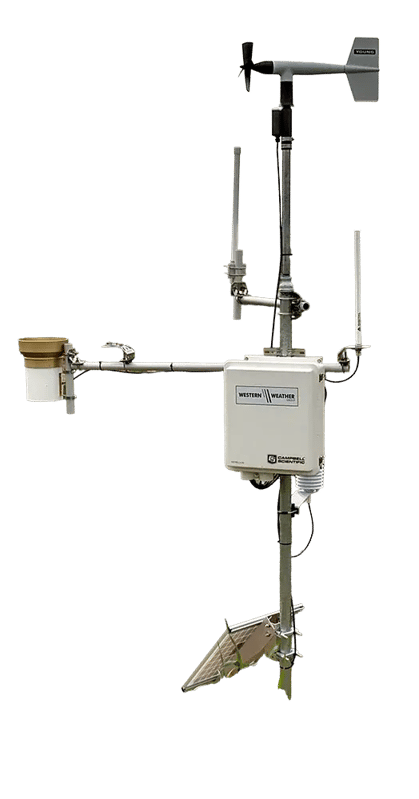
industrial-grade weather station

Mission Critical

Environmental monitoring

Sensors

  • Air Quality

    This device uses laser technology to monitor airborne particles in real-time.

    View Details
  • Barometer

    This digital sensor measures atmospheric pressure with high reliability and low power consumption.

    View Details
  • Fuel Moisture Sensor

    This sensor monitors forest fire fuel conditions by measuring the moisture content of a connected fuel stick.

    View Details
  • Fuel Temperature Stick

    This sensor uses a Ponderosa Pine stick to mimic the temperature of forest floor fuels.

    View Details
  • Leaf Wetness Sensor (LWS)

    The LWS measures the presence of water or ice on its surface to simulate leaf wetness.

    View Details
  • Pyranometer

    This silicon-based sensor is designed for the routine measurement of solar radiation (global irradiance) across the entire sky.

    View Details
  • Rain Gauge

    This rugged sensor measures liquid precipitation using a tipping bucket mechanism and an 8-inch collector funnel.

    View Details
  • Soil Moisture / Temp / Conductivity

    This smart sensor monitors soil moisture, electrical conductivity, and temperature.

    View Details
  • Temperature / Humidity

    This digital weather station sensor measures temperature and relative humidity for precision weather monitoring.

    View Details
  • Wind Sensor

    This rugged, high-performance sensor measures horizontal wind speed and direction using a helicoid propeller and vane.

    View Details

Communications

  • Data Logger

    Multi-purpose data logger that integrates precision measurement with onboard storage and communications.

    View Details
  • Satellite Comms: Global Iridium Transceiver

    A compact satellite transceiver leveraging the Iridium constellation to provide 100% global coverage.

    View Details
  • Terrestrial Comms: Industrial LTE Router

    This is a compact, ultra-low power cellular gateway designed specifically for SCADA, telemetry, and field service fleets.

    View Details
  • Wi-Fi Comms

    A dedicated Wi-Fi interface module designed to bridge data loggers and acquisition systems to wireless networks.

    View Details

Your data. Your platform.

Access data through our secure dashboard or connect directly to internal systems or third-party solutions via APIs.

EXPLORE DATA HOSTING & API SERVICES

Mounting options

wood-pole

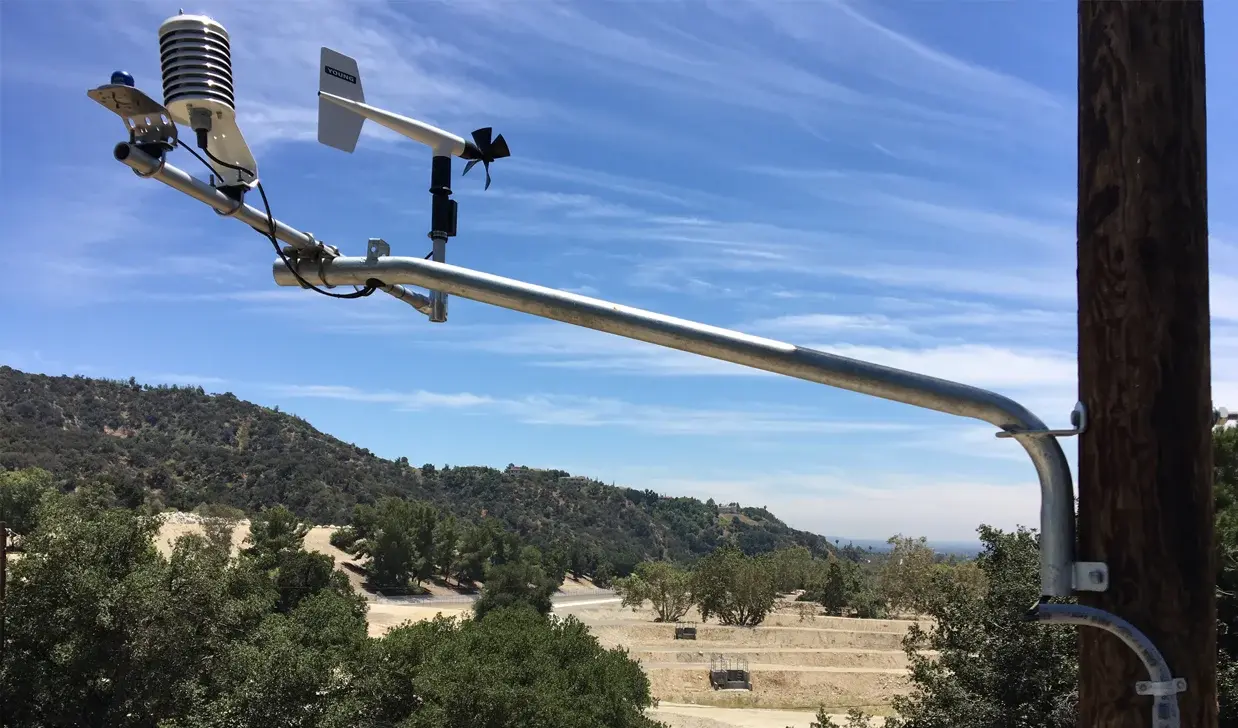
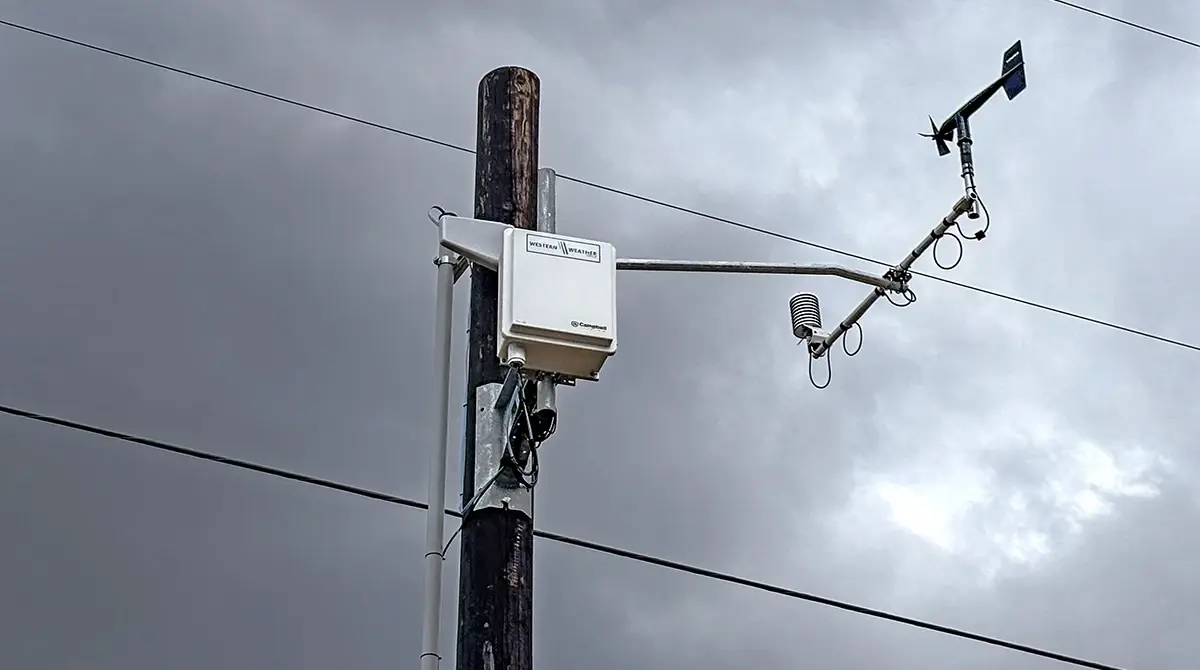
Utility pole


A cost-effective, long-term mounting solution providing reliable height and stability for weather stations while offering relatively easy installation in most terrain and environmental conditions.
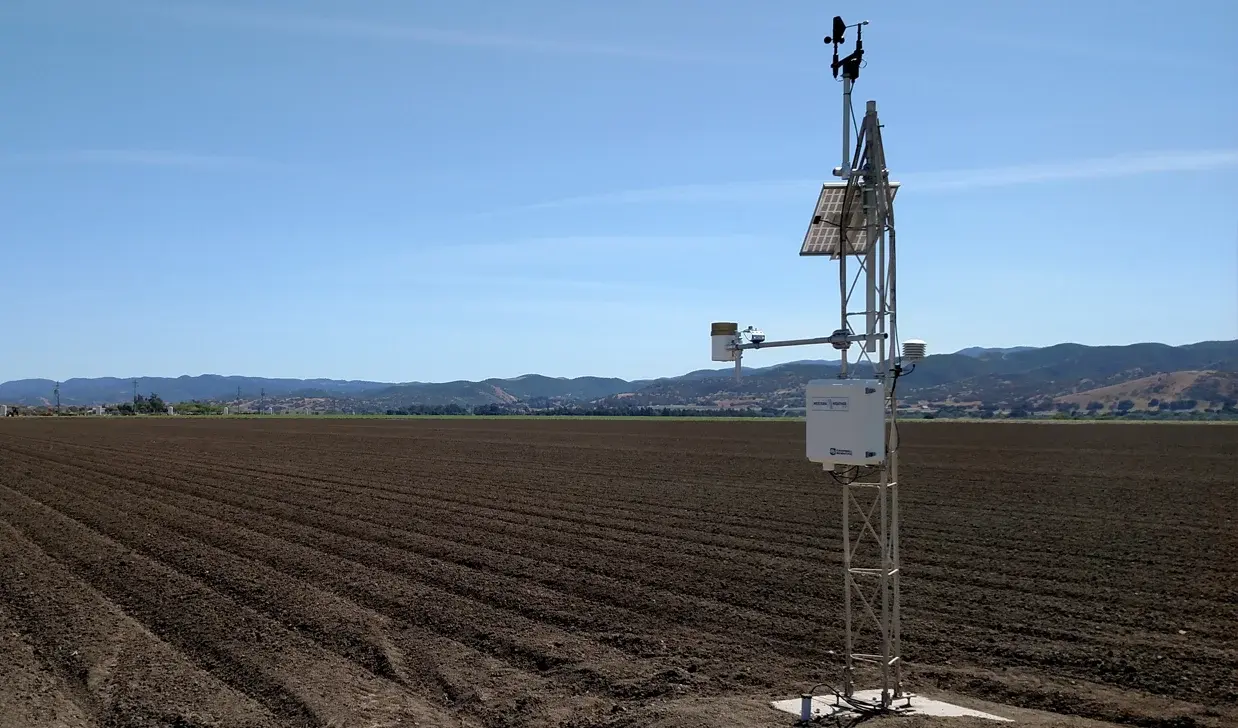
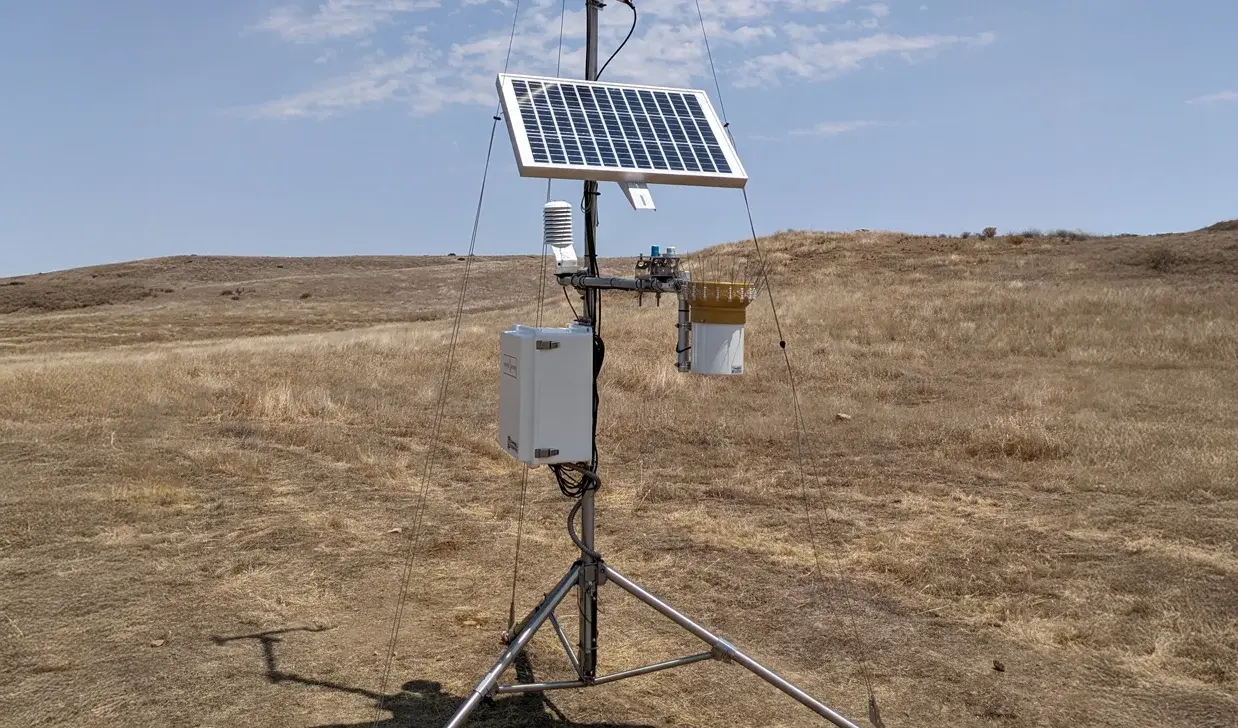
weather-station-DRAWING-1

FAQ

Loading FAQs...

From siting and installation to annual calibration and on-demand field response, our team ensures every system performs for the long haul.

Installed, calibrated, and supported by the same experts who build them.

TALK WITH AN EXPERT

Explore Our Resource Hub

What the Rest of 2026 Holds for Severe Weather in the U.S.
Blog Post

What the Rest of 2026 Holds for Severe Weather in the U.S.

Explore the severe weather outlook for the US in 2026, covering tornadoes, hurricanes, and fire risks as conditions evolve throughout the year.

What the 2026 Spring Freeze Taught Eastern Growers About Frost Risk
Blog Post

What the 2026 Spring Freeze Taught Eastern Growers About Frost Risk

Record temperature swings damaged apple orchards, wine grapes, blueberries, and citrus across the eastern U.S. this season. Here's how asset-level weather data changes the outcome next time.

Reading the Wind: How Asset-Level Sensors Are Redefining Vegetation Risk
Blog Post

Reading the Wind: How Asset-Level Sensors Are Redefining Vegetation Risk

How WWG and R.M. Young bring asset-level wind sensing to utility structures, giving vegetation risk programs data regional stations can't provide.

California Almonds and the New Frost Season: How Climate Is Rewriting the Rules
Blog Post

California Almonds and the New Frost Season: How Climate Is Rewriting the Rules

The forecast team at Western Weather Group analyzes the patterns of frost season and how it's affecting the west coast.

Explore resources built for decision-makers

Get Practical Answers
visit our resource hub
Fire Season 2026: What the Data Tells Us Now
Blog Post

Fire Season 2026: What the Data Tells Us Now

An analysis of 2026 wildfire conditions, covering regional fire risk breakdowns across California, the Southwest, Southeast, and Pacific Northwest, with key atmospheric drivers including record March drying, depleted snowpack, and the emerging El Niño signal shaping the outlook through summer.

Asset-Level Weather Data Is the New Infrastructure
Blog Post

Asset-Level Weather Data Is the New Infrastructure

Regional forecasts tell you what's coming. Ground truth tells you what's happening. The difference can cost billions.

What Do Western Weather Group and Goats Have in Common?
Blog Post

What Do Western Weather Group and Goats Have in Common?

Western Weather Group and goats both reduce wildfire risk before it starts. Goats manage fuel by grazing vegetation, while WWG provides weather intelligence to identify high-risk conditions, helping teams act early and prevent fires proactively.

Temperature / Humidity
Sensors

Temperature / Humidity

This digital weather station sensor measures temperature and relative humidity for precision weather monitoring.