No fooling... Both reduce wildfire risk long before the first spark.
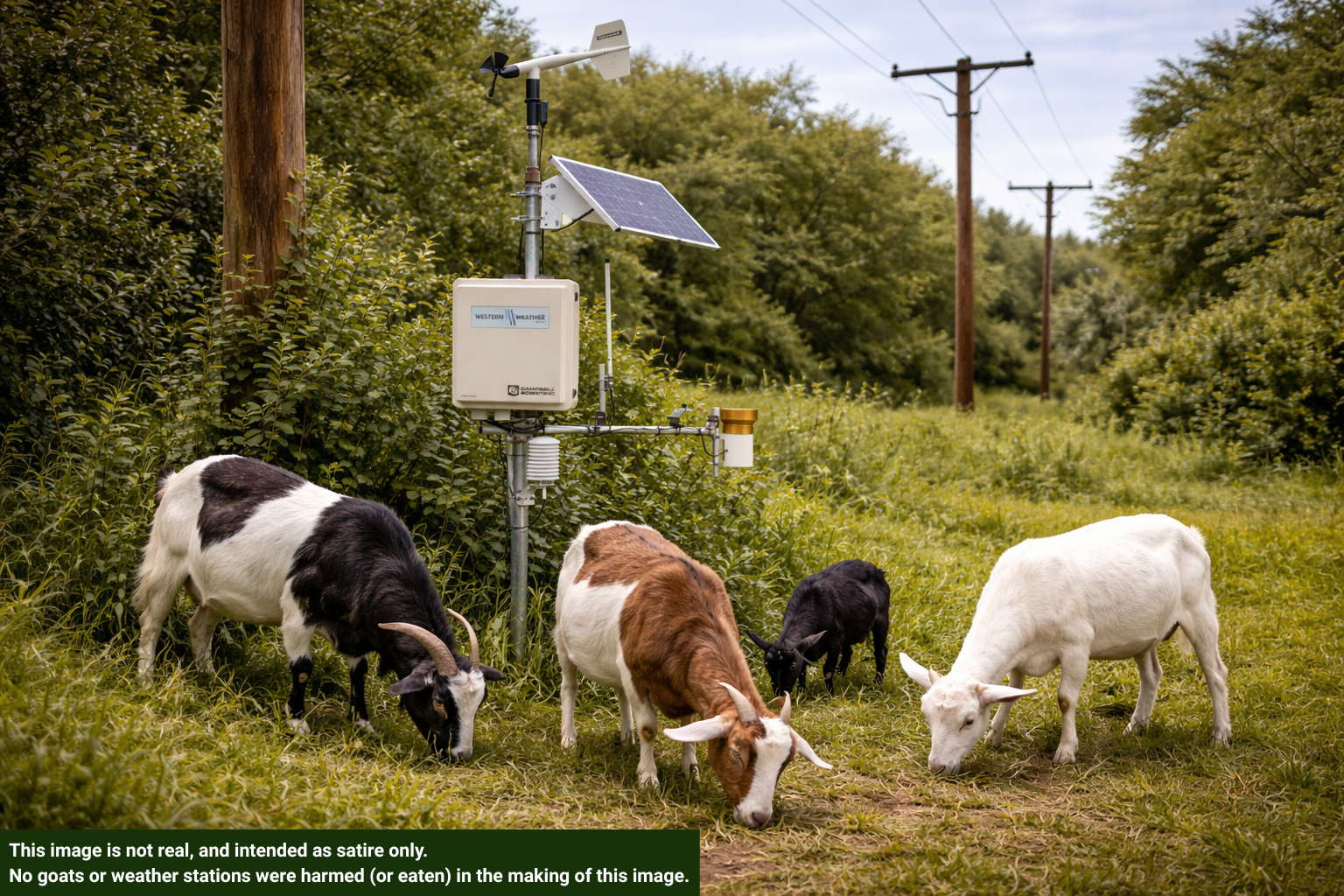
What do Western Weather Group (WWG) and goats have in common?
At first glance, not much. One delivers advanced weather forecasting and fire risk intelligence. The other eats brush on a hillside. Quite the contrast from a technological standpoint.
But looking more closely, they have something important in common: both reduce wildfire risk before disaster strikes.
Prevention starts before the spark
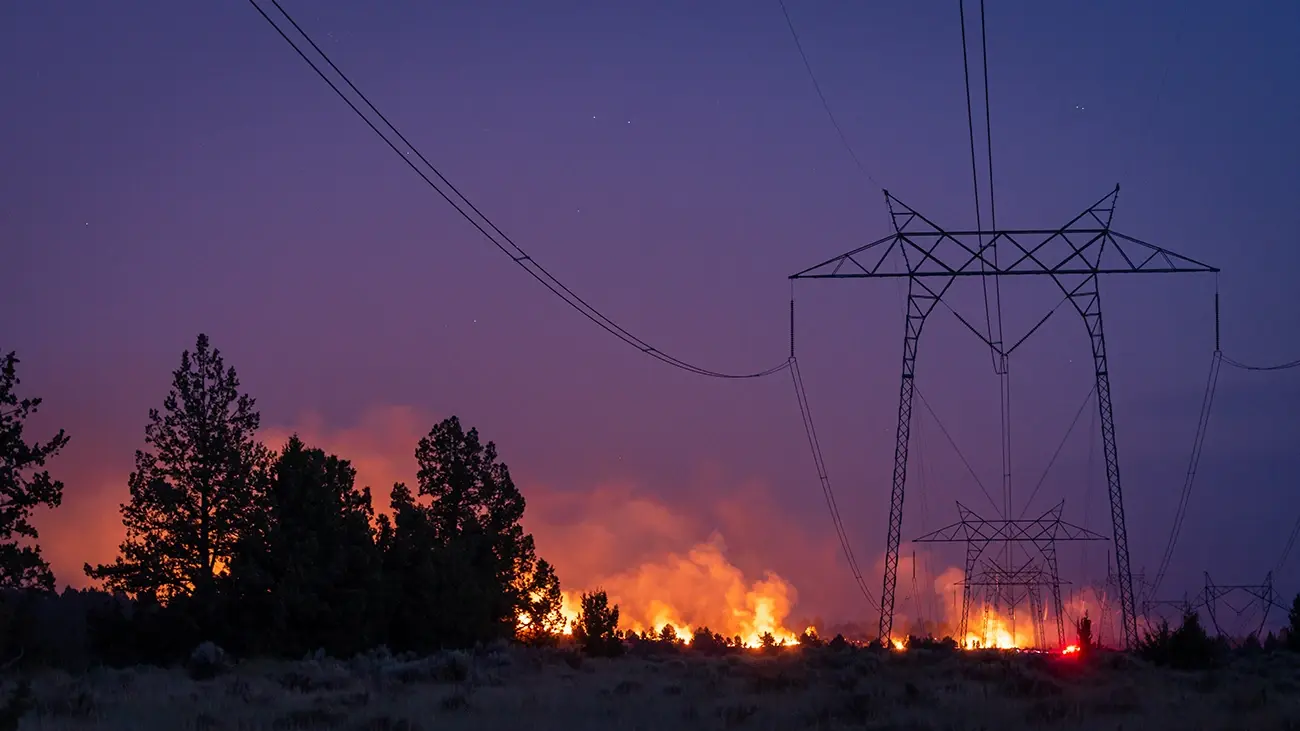
Most people think wildfires begin when flames appear, but the conditions that allow them to ignite build long before that first spark.
Goats tackle one side of that equation: fuel.
When goats graze on brush, they reduce the amount of flammable material available to burn. They break up the vegetation, access the plants on steep terrain, and create natural fuel breaks before peak fire season.
WWG tackles the other side of the equation: weather risk.
Through fire weather forecasting, seasonal outlooks, and real-time decision support, WWG helps utilities, growers, and communities understand when conditions are prime for elevated wildfire danger.
Different tools. Same mission.
Working together = smart strategy
Fuel reduction alone doesn’t eliminate wildfire risk, and a weather forecast, no matter how accurate, doesn’t remove dry brush from a hillside.
But when the two work together, prevention becomes far more strategic.
Grazing is most effective when it’s timed intentionally: before forecasted heat waves, wind events, or prolonged low-humidity periods. Weather intelligence helps identify when those windows are forming, allowing mitigation efforts to happen where and when they matter most.
Instead of treating vegetation management and fire weather forecasting as separate efforts, they become coordinated layers of defense.
Goats reduce what can burn. Weather intelligence identifies when it’s most likely to burn. Together, they shift wildfire response from reactive to proactive.
Nature meets data
There’s something powerful about combining a low-tech, nature-based solution with high-tech forecasting.
Goats represent resilience, sustainability, and boots-on-the-ground prevention. WWG represents precision, foresight, and ground truth, data-driven planning from weather station networks.
Both are proactive, preventative, and work best before the fire sparks.
Different tools. Shared responsibility.
So, what do WWG and goats really have in common? They both support wildfire risk mitigation.
For growers, that can mean protecting crops, irrigation systems, equipment, and the livelihoods that depend on them. Fire season doesn’t pause for harvest schedules or peak operations. Knowing when conditions are ramping up helps teams adjust early instead of scrambling later.
For utilities, it’s about lowering exposure and protecting critical infrastructure when the weather starts stacking the odds. Whether it’s planning vegetation work, preparing for high-wind events, or making tough operational calls like PSPS, better visibility into fire weather makes those decisions clearer, and more defensible.
Goats reduce the fuel load. Western Weather Group reduces uncertainty.
And it’s not just growers and utilities. Any community or organization in wildfire-prone areas benefits from knowing when conditions are lining up for elevated risk.
- Municipalities staging resources
- Transportation teams monitoring corridors
- Businesses protecting facilities
Wildfire resilience isn’t built in the middle of an emergency; it’s built in the planning, the early warnings, or in the decisions made days, or even weeks, ahead of time.
When it comes to wildfire risk, the real advantage isn’t reacting quickly, it’s being ready early.