wwg-logo

Satellite Comms: L-Band IP Terminal

SEE ALL SENSORS

Satellite Comms: L-Band IP Terminal

A specialized L-Band satellite terminal designed to provide real-time, IP-based connectivity for mission-critical applications. Unlike standard trackers, this device offers low-latency, two-way IP networking, allowing for instant monitoring and remote control of assets like smart grids and pipelines.

  • Real-Time IP Networking: Provides always-on, low-latency (sub-second) IP packet data for instant control.

  • Interface Agnostic: easily integrates with existing equipment via standard Ethernet and Wi-Fi interfaces.

  • Resilient Connectivity: Operates on the L-Band frequency, which is highly resistant to weather interference compared to other satellite bands.

  • Security: Utilizes AES-256 encryption to ensure secure transmission of critical infrastructure data.

Frequency
L-Band (Tx 1.6 GHz / Rx 1.5 GHz).
Data Interfaces
Ethernet (RJ45 via multi-pin), Wi-Fi (802.11 b/g).
GNSS
Embedded GPS and GLONASS for precise location tracking.
Ingress Protection
IP66 (Dust and spray proof) for harsh outdoor environments.
Power Input
10 to 32 VDC

Explore Our Resource Hub
What the Rest of 2026 Holds for Severe Weather in the U.S.
Blog Post

What the Rest of 2026 Holds for Severe Weather in the U.S.

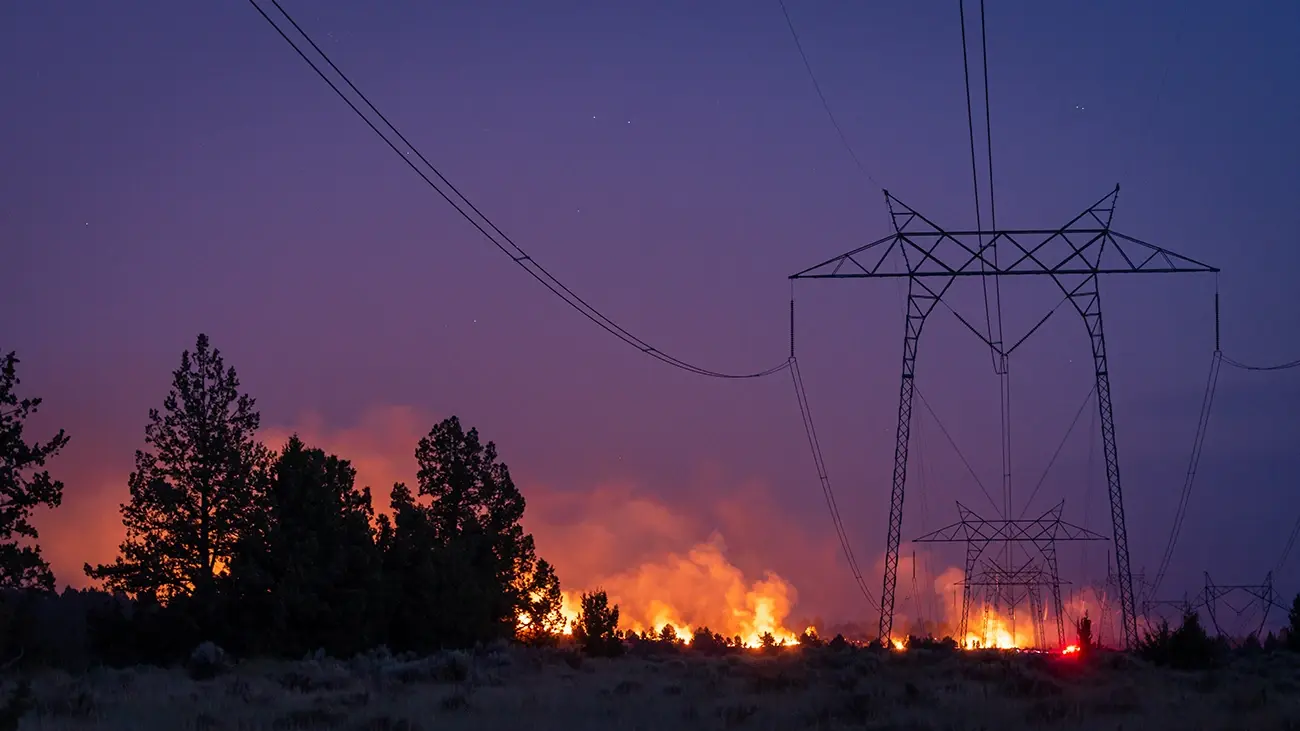
Explore the severe weather outlook for the US in 2026, covering tornadoes, hurricanes, and fire risks as conditions evolve throughout the year.

What the 2026 Spring Freeze Taught Eastern Growers About Frost Risk
Blog Post

What the 2026 Spring Freeze Taught Eastern Growers About Frost Risk

Record temperature swings damaged apple orchards, wine grapes, blueberries, and citrus across the eastern U.S. this season. Here's how asset-level weather data changes the outcome next time.

Reading the Wind: How Asset-Level Sensors Are Redefining Vegetation Risk
Blog Post

Reading the Wind: How Asset-Level Sensors Are Redefining Vegetation Risk

How WWG and R.M. Young bring asset-level wind sensing to utility structures, giving vegetation risk programs data regional stations can't provide.