wwg-logo

Satellite Comms: Global Iridium Transceiver

SEE ALL SENSORS

Satellite Comms: Global Iridium Transceiver

A compact satellite transceiver leveraging the Iridium constellation to provide 100% global coverage. It is specifically designed for low power IoT applications, making it the ideal solution for remote monitoring platforms where cellular service is unreliable, or unavailable.

  • True Global Coverage: Connects from pole to pole using a Low Earth Orbit (LEO) satellite network.
  • Iridium Messaging Transport (IMT): Designed for reliable, store-and-forward messaging with higher flexibility than SBD, supporting structured messages, acknowledgements, and improved delivery assurance for operational data.

    Iridium IP (Data): Enables always-on, packet-switched IP connectivity for higher-volume data transfer, remote management, and real-time applications requiring continuous two-way communication.
  • Low Latency: delivers messages with very low latency suitable for near-real-time tracking.

Network
Iridium Satellite Constellation
Message size
Limited to 100KB
Interface
RS-232 and RS-485
Power Input
Wide range 4.5V to 40V DC
Power Requirements
Idle = 0.25W, Active = 12W
Environmental
IP67 rated enclosure (on supported models)

Explore Our Resource Hub
What the Rest of 2026 Holds for Severe Weather in the U.S.
Blog Post

What the Rest of 2026 Holds for Severe Weather in the U.S.

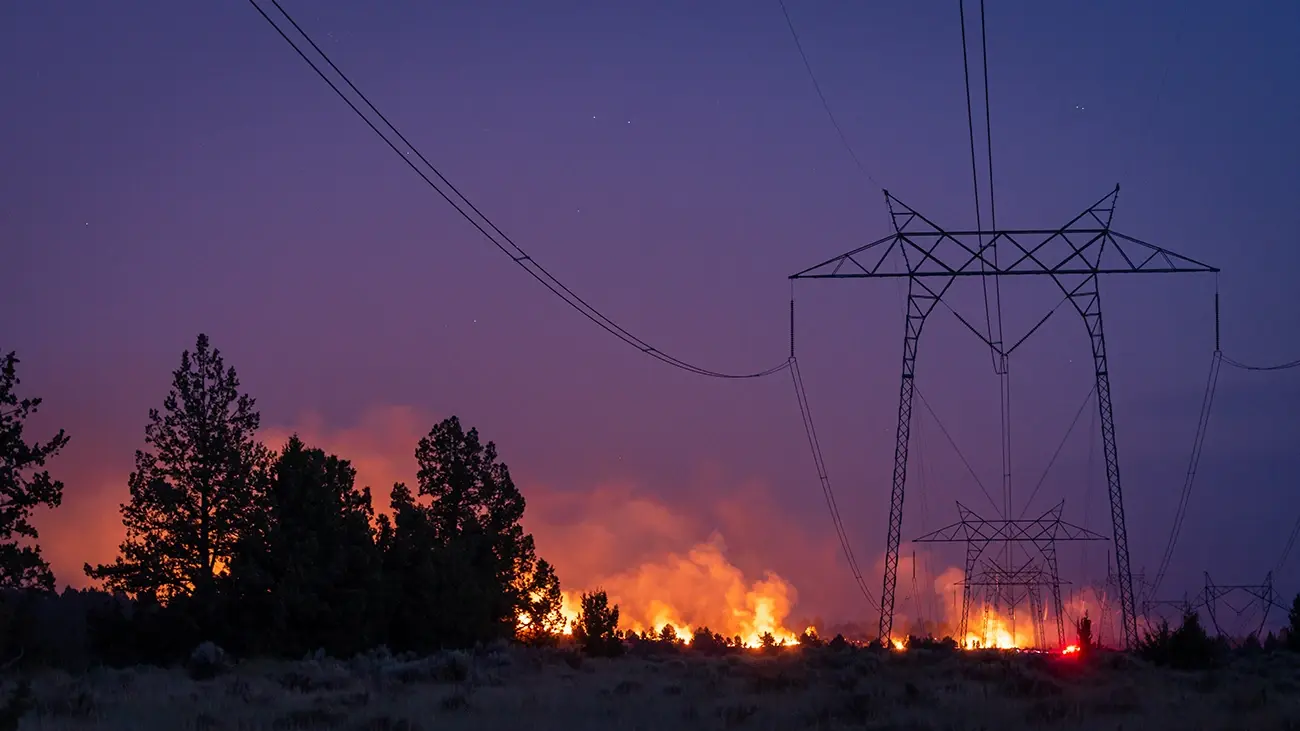
Explore the severe weather outlook for the US in 2026, covering tornadoes, hurricanes, and fire risks as conditions evolve throughout the year.

What the 2026 Spring Freeze Taught Eastern Growers About Frost Risk
Blog Post

What the 2026 Spring Freeze Taught Eastern Growers About Frost Risk

Record temperature swings damaged apple orchards, wine grapes, blueberries, and citrus across the eastern U.S. this season. Here's how asset-level weather data changes the outcome next time.

Reading the Wind: How Asset-Level Sensors Are Redefining Vegetation Risk
Blog Post

Reading the Wind: How Asset-Level Sensors Are Redefining Vegetation Risk

How WWG and R.M. Young bring asset-level wind sensing to utility structures, giving vegetation risk programs data regional stations can't provide.