

Weather stations and monitoring systems for utilities
Defensible weather intelligence for grid risk and compliance
Anticipate weather threats, reduce wildfire ignition risk, and meet regulatory standards with defensible, hyperlocal data.
When every decision matters, precision matters more
Utilities face increasing pressure from regulators, insurers, and the public, to manage weather-driven risk with accuracy and accountability. Western Weather Group provides defensible, high-resolution data and tools that support Public Safety Power Shutoff (PSPS) decisions, storm response, and compliance reporting.
Integrated tools for an always-on grid
Western Weather’s end-to-end ecosystem connects field stations, forecasting, and analytics into one continuous feedback loop, from the atmosphere to your operations center. From daily operations to emergency response, WWG provides the data, systems, and support that keep utilities ready and resilient.
WWG helps utilities reduce wildfire ignition risk by providing hyperlocal weather data and forecasts that reflect conditions along specific circuits, substations, and high-risk corridors. Real-time wind, humidity, and temperature data support informed PSPS decisions and proactive mitigation actions based on actual field conditions, not generalized forecasts.
Extreme weather puts constant pressure on grid reliability. WWG’s integrated station networks, forecasting, and analytics give utilities earlier awareness of weather-driven threats, helping teams prepare for outages, stage crews effectively, and respond faster during storms, heat events, or high-wind conditions.
Utilities rely on defensible, auditable data to meet regulatory expectations. WWG provides verified weather observations, calibration records, and forecast context that support wildfire mitigation plans, outage reporting, and post-event review to help demonstrate that decisions were informed, reasonable, and data-driven.
Weather conditions directly impact field safety. WWG enables utilities to set threshold-based alerts for wind, heat, and other hazardous conditions, helping protect crews working in the field and supporting timely public safety actions when conditions escalate.
By delivering accurate, localized weather intelligence, WWG helps utilities reduce unnecessary truck rolls, improve crew deployment, and align operations with real conditions. Better weather insight leads to smarter scheduling, fewer reactive responses, and more efficient use of resources across the grid.
Clear, credible weather data builds confidence with regulators, insurers, and the communities utilities serve. WWG supports transparent, explainable decision making by providing reliable data and expert context, helping utilities communicate not just what actions were taken, but why.
Precision weather intelligence supports every group responsible for grid reliability and wildfire mitigation. See how each team puts it to work.
Lead time and accuracy
Earlier awareness matters only if it is reliable. WWG improves warning horizons for wildfire conditions, winter icing, convective storms, and high-wind events while actively reducing false alarms that erode confidence. This balance supports better crew staging, safer operations, and stronger trust with regulators and stakeholders.
Workflow integration
Weather intelligence is most valuable when it flows directly into existing systems. WWG integrates with utility platforms, dashboards, and operational tools through APIs and third-party connections, allowing weather signals to trigger workflows, alerts, and decision paths without forcing teams to change how they already operate.
Clear, defensible communication
High-stakes decisions require clear explanation. WWG helps utilities translate complex atmospheric conditions into concise, defensible narratives for executives, regulators, and public communications. The focus is not just what happened, but why decisions were made, supported by data that holds up under review.
Validation on demand
When events are over, accountability begins. WWG provides historical verification, post-event analysis, and forecast performance review to support regulatory filings, internal audits, and continuous improvement. This on-demand validation strengthens confidence in both the forecast process and the decisions built on it.
Turn raw atmosphere into operational intelligence
Utility meteorologists sit at the intersection of science, operations, and accountability. The job is not just forecasting weather, but translating uncertainty into decisions that protect lives, assets, and grid stability under real regulatory scrutiny. Western Weather Group supports this role with localized observations, decision-focused analytics, and infrastructure that stands up in both the control room and the after-action review.
Microclimate coverage
Western Weather Group closes the gap between regional models and on-the-ground reality. Our station networks capture terrain-driven winds, localized humidity shifts, icing conditions, and fire weather signals that models routinely smooth over. The result is ground-truth data that reflects what is actually happening along your lines, substations, and service territory, not an averaged approximation.
Decision-ready tools
Raw data becomes operational intelligence through outputs built around how utilities actually make calls. Sensor data is translated into PSPS thresholds, wildfire risk indicators, storm severity indices, and outage-probability signals that align with internal criteria and escalation protocols, helping teams move from observation to action without interpretation lag.
Forecast-aligned scheduling
Time vegetation clearing around heat, wind, and drought forecasts so resources are deployed where they deliver the most value.
Regulatory verification
Provide auditable, condition-based evidence that vegetation management activities were proactive and defensible after outages or fires.
Cross-team coordination
Ensure vegetation strategies are aligned with meteorologists and operations teams so all groups work from the same risk picture.
Weather-informed vegetation risk planning
Vegetation managers now manage risk across thousands of miles of line, not just tree trimming. Extreme weather and tightening mandates demand defensible, data-driven decisions.
Risk-based prioritization
Identify spans where weather and vegetation create the highest hazard: wind-prone corridors, drought-stressed regions, and fast-regrowth zones.
Weather + growth data integration
Combine satellite imagery, LiDAR, and field inspections with live station data to pinpoint where vegetation becomes dangerous under specific conditions.
Crew safety thresholds
Automated alerts for wind cutoffs and heat-stress conditions inform safe work windows and reduce accidents.
Prioritization under stress
Allocate crews, materials, and trucks to the highest-impact locations based on real-time and forecasted conditions.
Regulatory defensibility
Maintain detailed records of weather conditions and operational actions to support compliance filings and post-event investigations.
Real-time awareness for a more resilient grid
Grid operations teams make decisions that directly affect outage duration, crew safety, and regulatory metrics. Weather is often the most unpredictable variable they face.
Real-time situational awareness
Access hyperlocal conditions along corridors and substations to anticipate weather-driven failures before they occur.
Reliability performance
Use weather-driven tools that support improvements to SAIDI/SAIFI by reducing outage frequency and shortening restoration time.
Storm response coordination
Integrate weather intelligence with OMS, EMS, and GIS so dispatchers, operators, and crews work from the same snapshot of risk.
Environmental Monitoring
Industrial-grade weather stations built to endure.
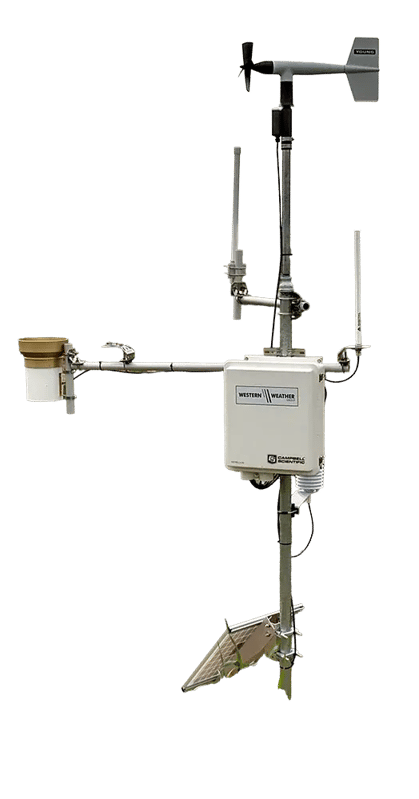
Modular stations you can upgrade and maintain in the field, fully configurable for any application.
- Connectivity
Cellular and satellite connectivity ensures continuous data transmission.
- Reliable Sensors
Precision sensors monitor all atmospheric variables with utility-grade accuracy.
- 24/7 Operation
Solar-powered with backup battery ensures 24/7 operation in any environment.
- Durability
Industrial-grade housing withstands extreme conditions and harsh environments.
- Made in the USA
Designed, assembled, and tested in the U.S. with full hardware warranty.
Talk with our meteorologists to learn how site-specific forecasting can improve safety, compliance, and performance.
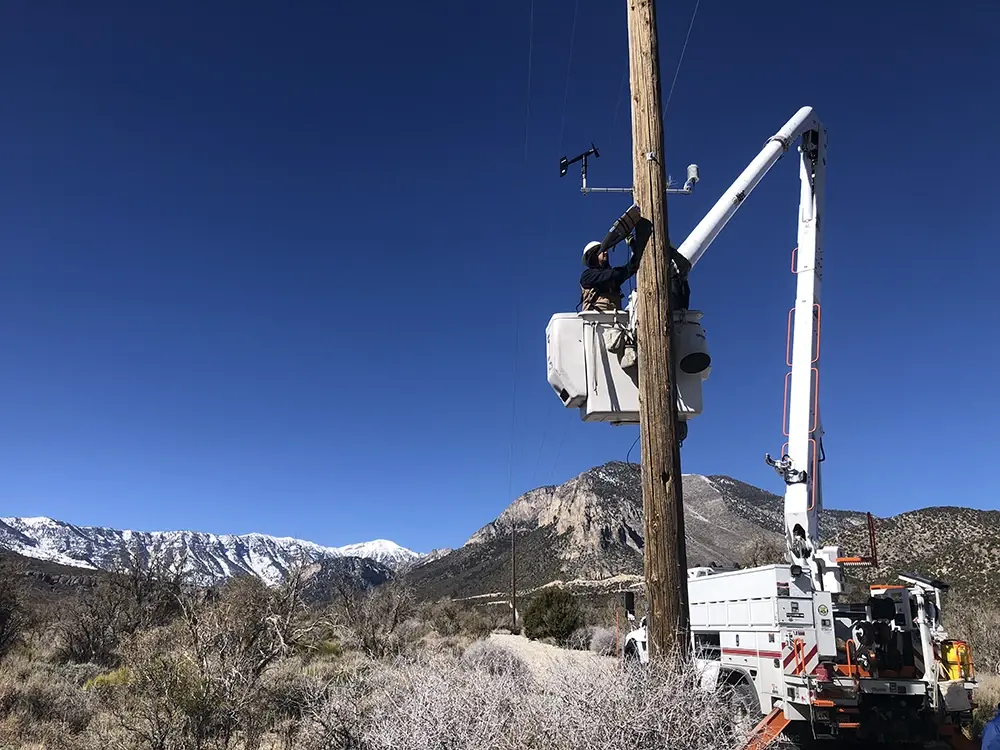
Professional weather station installation
Accurate weather data starts with proper installation. Siting, sensor exposure, mounting height, power, and communications all impact long term performance, especially in harsh or remote environments.
Each installation begins with site review and planning, then follows a standardized, field-tested process. Most stations are installed and commissioned in a single visit, delivering reliable data immediately.
Choose full-service installation, maintenance, and calibration by our experienced installers, or have us train a designated team member to handle installation and upkeep internally. Both options are built to scale, protecting data quality as your network expands.
Robust data for utilities
Integrate real-time data directly into owned and/or third-party grid management systems. Leverage high-frequency data for PSPS and storm-response decisions. Access compliance-ready logs for regulatory filings and reporting. WWG’s software provides a shared source of truth that’s built for high-risk, high-regulation environments.
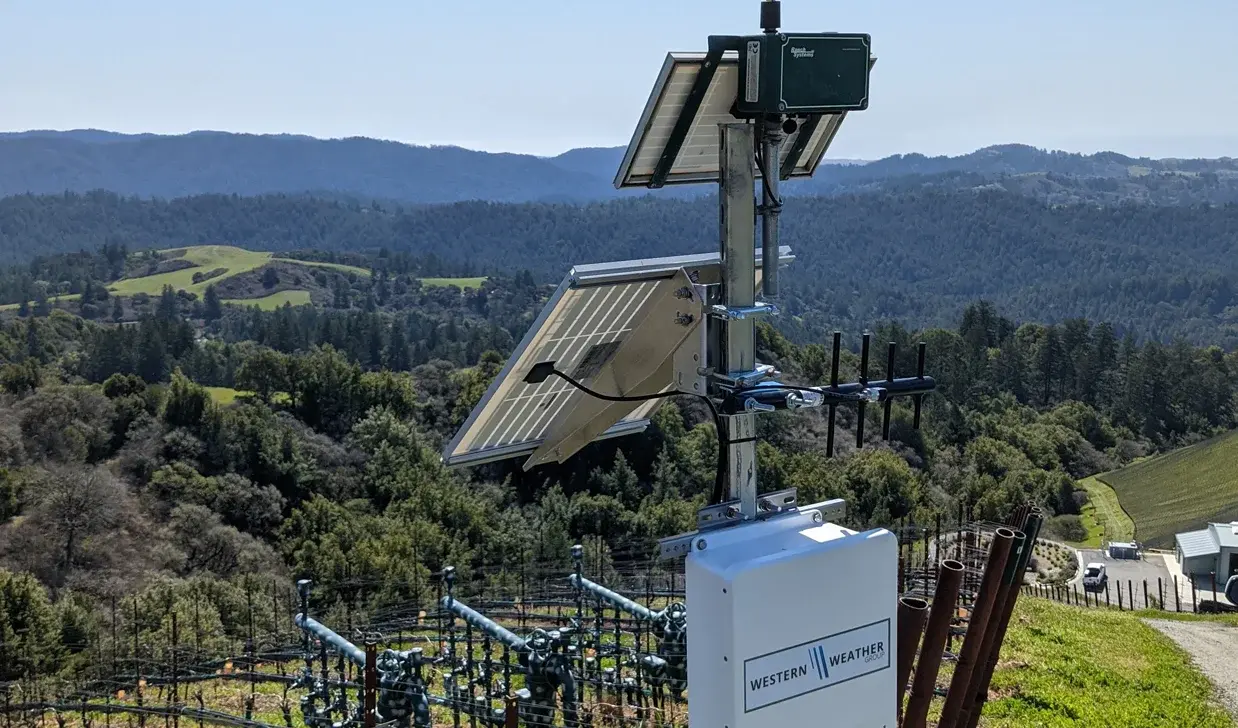
Utilities & power
- Fire weather / Red flag warnings
- Humidity forecasting
- Dynamic line rating